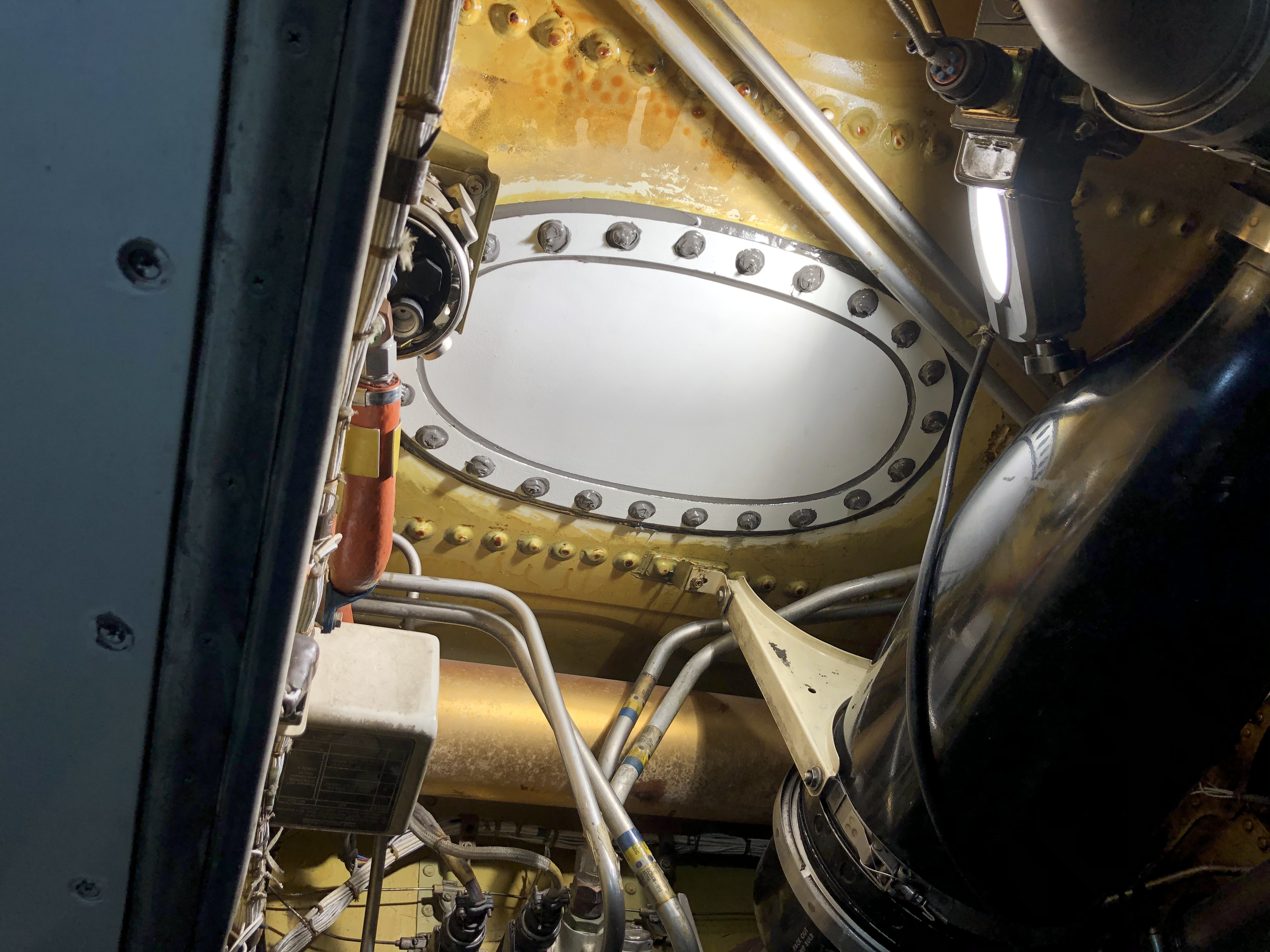
Defining Your Maintenance Engineer Requirements
The first step in hiring aircraft maintenance engineers is clearly defining your requirements. This goes beyond simply listing a job title. You need to specify the regulatory license required (Transport Canada AME, EASA Part-66, FAA A&P), the license category (M1/M2 mechanical, E avionics, B1/B2, C certifying), and the specific aircraft type ratings needed for your fleet.
You should also consider the scope of work the engineer will perform. Line maintenance engineers need different qualifications than base maintenance engineers. AOG response engineers need broad experience and the ability to work independently. Understanding these distinctions ensures you attract candidates with the right qualifications.
Verifying Licenses and Certifications
License verification is a critical step in the hiring process. All licenses should be verified directly with the issuing aviation authority. For Transport Canada AME licenses, this means checking with Transport Canada's licensing division. For EASA licenses, this means checking with the national aviation authority that issued the license. For FAA licenses, the Airman Certification database can be queried online.
In addition to license verification, you should confirm the validity of type ratings, medical certificates, and any company-specific authorizations the candidate claims. Discrepancies in documentation are not uncommon and can have serious safety and regulatory implications if not caught during the hiring process.
Understanding Type Rating Requirements
Type ratings are aircraft-specific qualifications that authorize an engineer to perform maintenance on a particular aircraft model. When hiring, you need to determine whether candidates must already hold the required type rating or whether your organization can provide the necessary type training.
Type training is expensive and time-consuming, typically taking 2 to 6 weeks per aircraft type. For this reason, many employers prefer candidates who already hold relevant type ratings. However, for difficult-to-fill positions or for engineers with strong general experience, investing in type training can be worthwhile.
Choosing Between Permanent and Contract Staffing
The decision between permanent and contract staffing depends on your operational needs, budget, and long-term workforce strategy. Each model has distinct advantages.
- Permanent staffing: Provides stability, institutional knowledge, and long-term commitment. Best for core maintenance teams and positions requiring deep familiarity with your operations.
- Contract staffing: Offers flexibility, cost control, and access to specialized skills for defined periods. Ideal for heavy maintenance checks, fleet modifications, and peak operational demand.
- AOG staffing agreements: Pre-negotiated arrangements that guarantee access to qualified engineers for emergency response, eliminating contract delays during a crisis.
Working with a Specialized Aviation Staffing Agency
General recruitment agencies often struggle with aviation maintenance hiring because they lack the technical knowledge to properly evaluate candidates. A specialized aviation staffing agency understands license categories, type ratings, and regulatory requirements, and can pre-screen candidates to ensure they meet your technical specifications.
When selecting an aviation staffing partner, look for agencies that recruit exclusively within the aviation sector, have experience with your aircraft types, and can provide both permanent and contract staffing solutions. Ask about their candidate vetting process, license verification procedures, and their ability to support AOG situations.
Onboarding and Integration
Once you have hired a maintenance engineer, a structured onboarding process is essential. Even experienced engineers need time to familiarize themselves with your maintenance documentation, company procedures, and safety management system. A well-designed onboarding program reduces the time to productivity and helps ensure compliance with your operational standards.
For contract engineers, a streamlined onboarding process is particularly important since their engagement may be short. Having pre-prepared documentation, access to maintenance manuals, and a designated point of contact can help contract engineers become productive quickly.
How Click Aviation Consulting Supports Employers
We provide end-to-end recruitment services for airlines, MROs, and aviation operators. Our team handles candidate sourcing, license verification, technical screening, and placement coordination. Whether you need a single type-rated engineer for a specific project or a full maintenance team for a heavy check, we can tailor our services to your requirements.
Contact our employer solutions team to discuss your staffing requirements and learn how our specialized aviation recruitment approach can help you build a stronger maintenance workforce.
