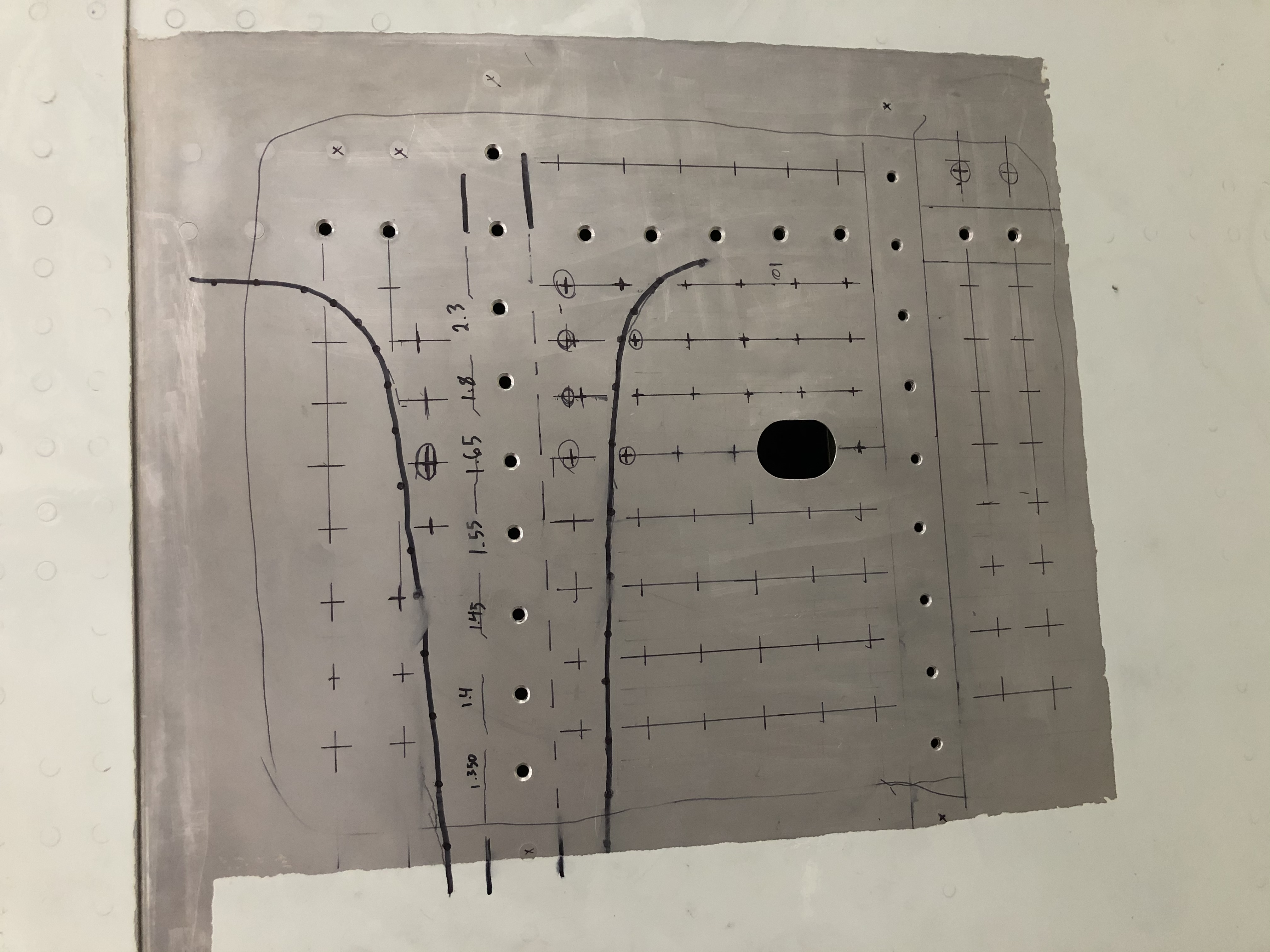
Starting Your Aviation Maintenance Career
The path to becoming a licensed aircraft maintenance engineer typically begins with either an approved training program or an apprenticeship at a maintenance facility. Both routes provide the foundational knowledge and hands-on experience required to pursue regulatory licensing.
Approved training programs, such as Transport Canada AME-approved schools, EASA Part-147 schools, or FAA Part 147 Aviation Maintenance Technician Schools, offer structured curricula that combine classroom instruction with practical workshop training. These programs typically take 18 to 30 months to complete and prepare graduates for the licensing examinations.
Apprenticeships, on the other hand, offer a learn-while-you-earn approach where candidates work under the supervision of licensed engineers while accumulating the documented experience required for licensing. This route takes longer but provides valuable real-world exposure to maintenance operations.
Obtaining Your First License
After completing training or accumulating sufficient experience, the next milestone is obtaining your initial maintenance license. The specific license depends on your regulatory jurisdiction: Transport Canada AME in Canada, EASA Part-66 in Europe, FAA A&P in the United States, or UK CAA in the United Kingdom.
Each license requires passing written examinations and, in most cases, oral and practical assessments. The examinations cover both basic technical knowledge (mathematics, physics, electrical fundamentals) and aircraft-specific type training. Once licensed, you are authorized to perform and certify maintenance within the scope of your license category.
Gaining Type Ratings and Experience
Your initial license is just the beginning. Most employers require type-specific training and ratings on the aircraft in their fleet. Type ratings are obtained through approved training programs that cover the specific systems, maintenance procedures, and certification requirements for each aircraft type.
As you accumulate type ratings and experience across different aircraft families, your value in the job market increases significantly. Engineers with multiple type ratings on popular commercial aircraft like the Boeing 737, Airbus A320, or Boeing 787 are in particularly high demand for both permanent and contract positions.
Advancing to Certifying Engineer Status
The progression from licensed engineer to certifying engineer represents a significant career advancement. Certifying engineers hold the authority to release aircraft to service following maintenance, which carries substantial responsibility for airworthiness and safety.
To become a certifying engineer, you typically need several years of experience as a licensed engineer, additional type-specific training, and company authorization. The specific requirements vary by regulatory authority and company procedures, but the common thread is demonstrated competence and a thorough understanding of maintenance documentation and certification standards.
Specialization Opportunities
As your career progresses, you may choose to specialize in particular areas of aviation maintenance. Specialization can lead to higher compensation, more interesting work, and unique career opportunities.
- AOG emergency response: Deploying globally to resolve grounded aircraft situations, requiring broad type experience and the ability to work under pressure.
- Structures and sheet metal: Specializing in airframe structural repair, composite repair, and modifications.
- Avionics and electrical: Focusing on communication, navigation, and electronic flight instrument systems.
- Engine maintenance: Specializing in turbine engine overhaul, repair, and on-wing maintenance.
- Quality assurance and inspection: Moving into QA roles that involve auditing, compliance verification, and regulatory liaison.
- Maintenance management: Transitioning to planning, production control, or maintenance engineering management positions.
International Career Opportunities
One of the most attractive aspects of an aircraft maintenance engineering career is the potential for international work. Licensed engineers with recognized certifications (Transport Canada AME, EASA, FAA) are in demand worldwide, particularly in regions experiencing rapid aviation growth such as the Middle East and Asia-Pacific.
Contract and project-based assignments offer the opportunity to work in different countries and environments while building a diverse resume. Many engineers use contract work as a pathway to permanent international positions or to gain experience on aircraft types not commonly operated in their home country.
How Click Aviation Consulting Can Help
Our recruitment team specializes in matching aircraft maintenance engineers at every career stage with opportunities that align with their licenses, type ratings, and career goals. From entry-level permanent positions to senior AOG specialist contracts, we have relationships with airlines, MROs, and operators across the globe.
We also provide career advisory services to help engineers plan their licensing pathway, identify high-value type ratings to pursue, and navigate the transition between permanent and contract work. Register with our candidate portal to access current job openings and speak with our recruitment team.
Frequently Asked Questions
Q.What is the average salary for a licensed aircraft maintenance engineer?
Salaries vary widely by region, license type, and experience level. Entry-level licensed engineers typically earn between $45,000 and $65,000 annually, while experienced certifying engineers and AOG specialists can earn $80,000 to $130,000 or more, particularly on international contract assignments.
Q.Which aircraft type ratings are most in demand?
Type ratings on popular narrowbody families (Boeing 737 NG/MAX, Airbus A320 family) and widebody platforms (Boeing 777, 787, Airbus A350) are consistently in high demand. Helicopter type ratings (AW139, S-92) and regional turboprop experience (ATR, Dash 8) are also sought after.