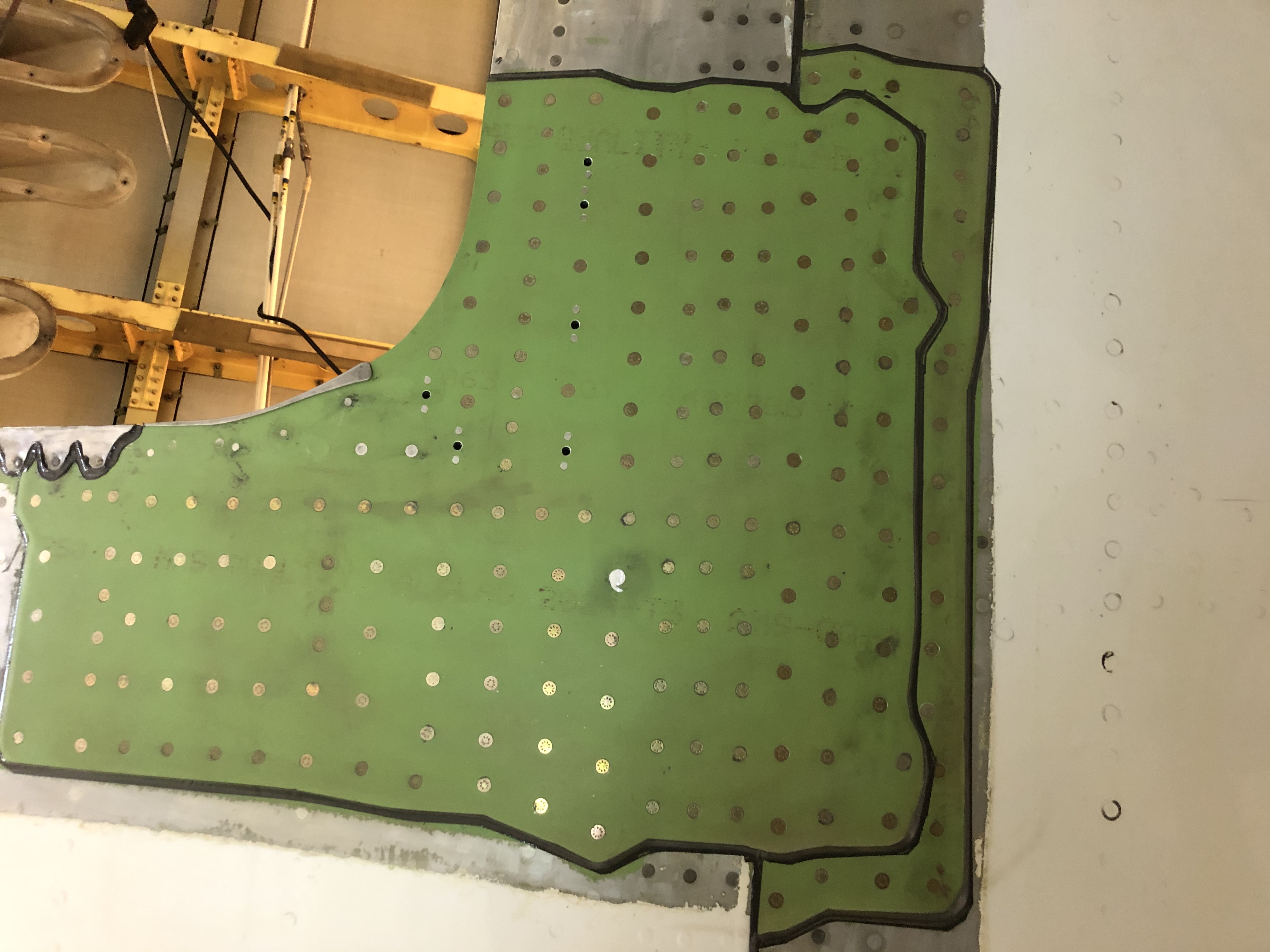
What Does Aircraft on Ground (AOG) Mean?
Aircraft on Ground, commonly referred to as AOG, is the aviation industry's highest-priority maintenance designation. When an aircraft is declared AOG, it means the aircraft cannot fly due to a mechanical, structural, or avionics issue and requires immediate maintenance attention to return to service safely.
AOG situations can arise from a wide range of causes, including engine failures, hydraulic leaks, avionics malfunctions, structural damage, or even bird strike damage. Regardless of the cause, the common denominator is urgency. Airlines, operators, and MRO facilities all recognize that a grounded aircraft represents lost revenue, disrupted schedules, and compromised passenger experience.
The True Cost of AOG Downtime
Industry studies estimate that AOG downtime can cost airlines anywhere from $10,000 to $150,000 per hour depending on the aircraft type and route network. For widebody aircraft like the Boeing 777 or Airbus A350, the costs escalate rapidly due to cascading schedule disruptions, crew repositioning, passenger accommodation, and slot penalties at congested airports.
This is why having a pre-established AOG response plan with a specialized aviation staffing partner is critical. The ability to dispatch a licensed aircraft maintenance engineer to the aircraft's location within hours, not days, can mean the difference between a minor disruption and a major operational crisis.
Key Steps in the AOG Response Process
A structured AOG response follows a clear sequence designed to minimize downtime while maintaining the highest safety standards. Each step requires coordination between the operator, the maintenance provider, and the regulatory authority.
- Initial assessment and troubleshooting: Remote technical evaluation to identify the fault and determine required parts, tooling, and personnel.
- Engineer dispatch: Rapid deployment of a qualified, licensed AME (B1, B2, or C certifying staff) to the aircraft location, often within 4 to 24 hours.
- Parts sourcing and logistics: Coordinating the shipment of required spare parts, components, or specialized tooling to the site.
- On-site maintenance execution: Performing the repair, replacement, or inspection in accordance with approved maintenance data and the aircraft maintenance manual (AMM).
- Certification and return to service: Independent inspection, certification of maintenance, and release of the aircraft back to operational status.
How Click Aviation Consulting Handles AOG Dispatch
At Click Aviation Consulting, our AOG response capability is built around speed, technical accuracy, and regulatory compliance. Operating from our Toronto, Canada headquarters, we maintain a global network of Transport Canada AME, EASA and FAA licensed aircraft maintenance engineers who are travel-ready and available for immediate dispatch.
Our AOG staffing model covers the full spectrum of aircraft types, from narrowbody commercial jets like the Boeing 737 and Airbus A320 family to widebody platforms, regional turboprops, helicopters, and business aviation aircraft. Whether the situation calls for a B1 licensed mechanical engineer, a B2 avionics specialist, or a structures technician for sheet metal repair, we match the right qualification to the specific AOG requirement.
Why Specialized AOG Staffing Matters
General staffing agencies cannot effectively support AOG situations because they lack the technical understanding to match the correct license category, type rating, and experience level to the specific maintenance task. An incorrectly matched engineer arriving on-site can extend downtime rather than reduce it.
Specialized aviation staffing ensures that the deployed engineer holds the correct regulatory license (Transport Canada AME, EASA Part-66, FAA A&P, or UK CAA), has the relevant aircraft type experience, and understands the operator's maintenance documentation and certification requirements. This precision matching is what separates an effective AOG response from a costly delay.
Preparing Your Airline for AOG Events
Operators that handle AOG situations most effectively are those who prepare before the event occurs. Having a pre-negotiated AOG staffing agreement in place eliminates the time lost to contract negotiations during a crisis. It also ensures that the staffing partner has already vetted the available engineer pool, confirmed their documentation, and verified their travel readiness.
We recommend that airlines, MROs, and operators establish AOG response protocols that include a dedicated emergency contact line, pre-approved engineering resource pools, and clear escalation procedures. When an AOG event occurs, the operator should be able to initiate a single call that triggers the entire dispatch chain.
Frequently Asked Questions
Q.How quickly can AOG engineers be dispatched?
Depending on the location and engineer availability, our AOG response team can typically dispatch licensed aircraft maintenance engineers within 4 to 24 hours of the initial request. Travel logistics, visa requirements, and parts availability can influence the total response time.
Q.What licenses do your AOG engineers hold?
Our AOG engineers hold Transport Canada AME licenses, EASA Part-66 B1/B2/C licenses, FAA A&P certifications, and UK CAA approvals. We match the specific license category to the aircraft type and maintenance task required.
Q.Do you provide AOG support for helicopter operators?
Yes. Our AOG staffing network includes helicopter maintenance engineers with experience on Airbus H135/H145, Leonardo AW139/AW169, Bell 412/429, and Sikorsky S-92 platforms, among others.
